
BLOG
home Slate Roofing for Period Homes in the UK: Authentic and Suitable Choices
Slate Roofing for Period Homes in the UK: Authentic and Suitable Choices
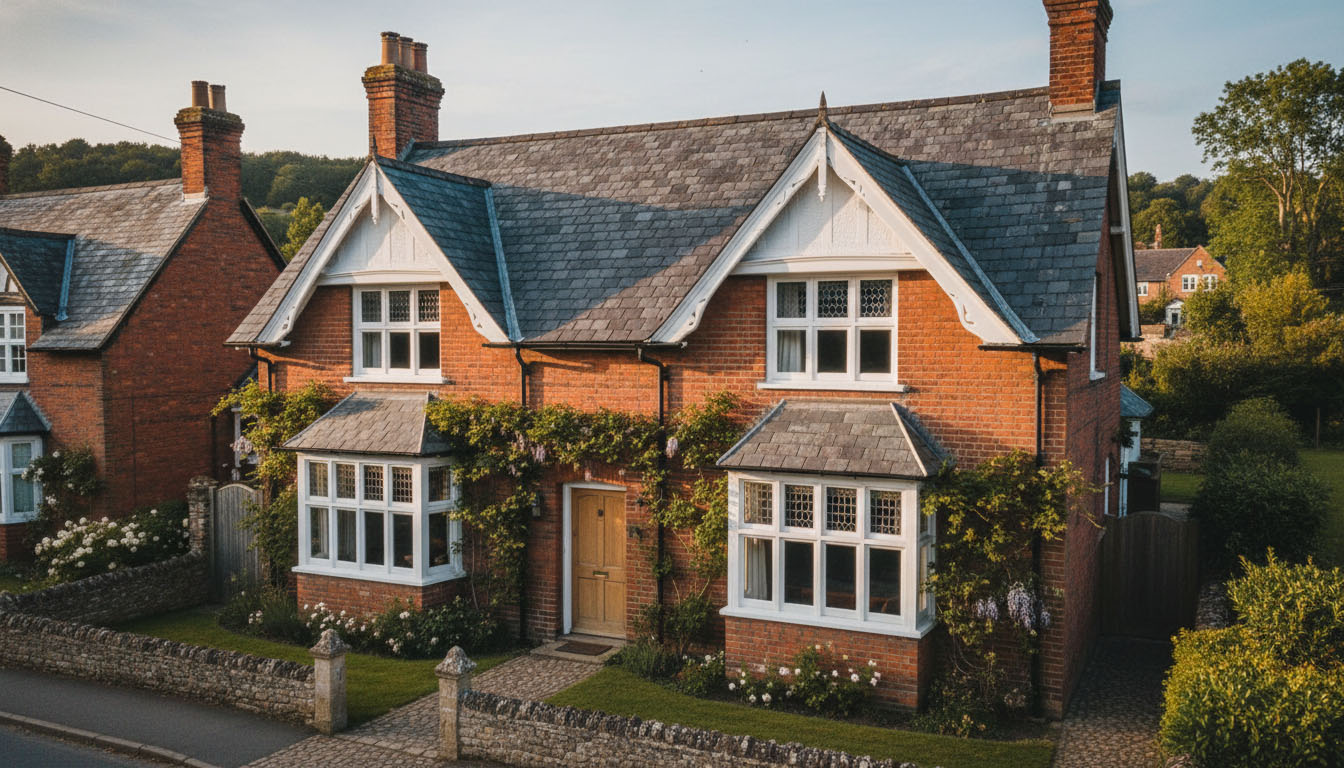
Period properties across the UK were often originally built with natural slate roofs, chosen for durability and regional availability. Replacing or restoring these roofs requires careful material selection, as inappropriate slate type or modern alternatives can undermine architectural authenticity and reduce property value.
Using incorrect materials may also breach conservation guidance or listed building controls. Selecting the right traditional slate roof in the UK involves balancing heritage integrity, structural compatibility, and long-term durability. This guide explains how to choose heritage slate roofing that respects historical character while meeting modern standards.
Slate Roofing for Period Homes UK: Authentic Material Selection
Slate roofing for period homes UK projects must prioritise authenticity. Many heritage properties were originally covered with regionally sourced slate, such as Welsh, Westmorland, or Cornish varieties.
Key authenticity considerations include:
Matching original slate size and thickness
Preserving traditional random width patterns
Selecting slate with similar colour tone
Using appropriate ridge and verge detailing
Replacing original slate with uniform modern alternatives can diminish historical character. Professional slate roofing ensures material selection aligns with both architectural heritage and modern performance standards.
Traditional Slate Roof UK: Regional Styles and Variations
A traditional slate roof UK properties feature often reflects regional quarry sources. Historic buildings commonly used locally quarried slate, creating distinct visual characteristics.
Regional variations include:
Region | Common Historic Slate Type | Visual Characteristics |
|---|---|---|
Wales | Welsh Blue Grey | Dense, smooth finish |
Lake District | Westmorland Green | Textured, green tones |
Cornwall | Delabole Slate | Grey with subtle variation |
Scotland | Scottish Slate | Rougher split appearance |
Matching regional slate preserves authenticity and may be required in conservation areas.
Experienced slate roofing specialists assess original materials before recommending suitable replacements.
Heritage Slate Roofing UK: Conservation Compliance
Heritage slate roofing UK projects often fall within conservation areas or involve listed buildings. Planning and conservation approval may be required before replacement.
Compliance considerations include:
Retaining original material where possible
Using reclaimed or matching slate
Maintaining original roof pitch and profile
Preserving ridge and chimney detailing
Changing from natural slate to synthetic alternatives in heritage properties is rarely approved. Where structural upgrades are required beneath historic slate, professional roof restoration services ensure reinforcement without compromising character.
Structural Compatibility in Older Properties
Period homes often feature timber rafters designed for natural slate loads. However, ageing timber may require inspection before reinstallation.
Structural evaluation includes:
Rafter integrity assessment
Batten replacement using treated timber
Checking for historic timber decay
Confirming load distribution remains compliant
Switching to heavier slate varieties without assessment can cause sagging over time.
Where reinforcement or structural adaptation is required, professional pitched roof installation ensures compliance with modern safety standards.
Reclaimed vs New Slate for Period Homes
Choosing between reclaimed and new slate is common in heritage projects.
Factor | Reclaimed Slate | New Natural Slate |
|---|---|---|
Authentic Appearance | Excellent | Very Good |
Availability | Limited | Readily Available |
Structural Consistency | Variable | Consistent |
Cost | Often Higher | Moderate to High |
Reclaimed slate offers strong visual authenticity but may vary in thickness and condition. New high-quality natural slate can replicate traditional appearance while offering structural consistency.
Professional slate roofing guidance ensures reclaimed materials are assessed for durability before reuse.
Thermal Upgrades Without Compromising Heritage
When more than 25 percent of a roof is replaced, Building Regulations may require insulation upgrades. These upgrades must be integrated carefully in period homes.
Sensitive upgrade strategies include:
Installing breathable membranes
Adding insulation without altering roof height
Maintaining ventilation pathways
Avoiding visible external changes
Balancing energy efficiency with heritage integrity protects both comfort and authenticity.
Long-Term Value of Authentic Slate
Maintaining a traditional slate roof enhances resale value and preserves architectural integrity. Buyers often view original or sympathetically restored slate as a premium feature.
Long-term advantages include:
Enhanced kerb appeal
Stronger conservation compliance
Reduced planning disputes
Extended roof lifespan
Authentic slate restoration supports both heritage preservation and financial investment.
Frequently Asked Questions
Do period homes in the UK require natural slate
Many conservation areas and listed buildings require natural slate to preserve historical authenticity.
Can synthetic slate be used on heritage properties
Synthetic slate is often unsuitable for listed buildings or conservation areas.
Is reclaimed slate better for period homes
Reclaimed slate can offer superior visual authenticity if structurally sound.
Do I need planning permission to replace slate on a listed building
Yes, listed building consent is usually required before altering roofing materials.
Can insulation be upgraded on period slate roofs
Yes, but upgrades must preserve external appearance and meet building regulations.