
BLOG
home Pros and Cons of Tile Roofing in the UK: A Balanced Guide for Homeowners
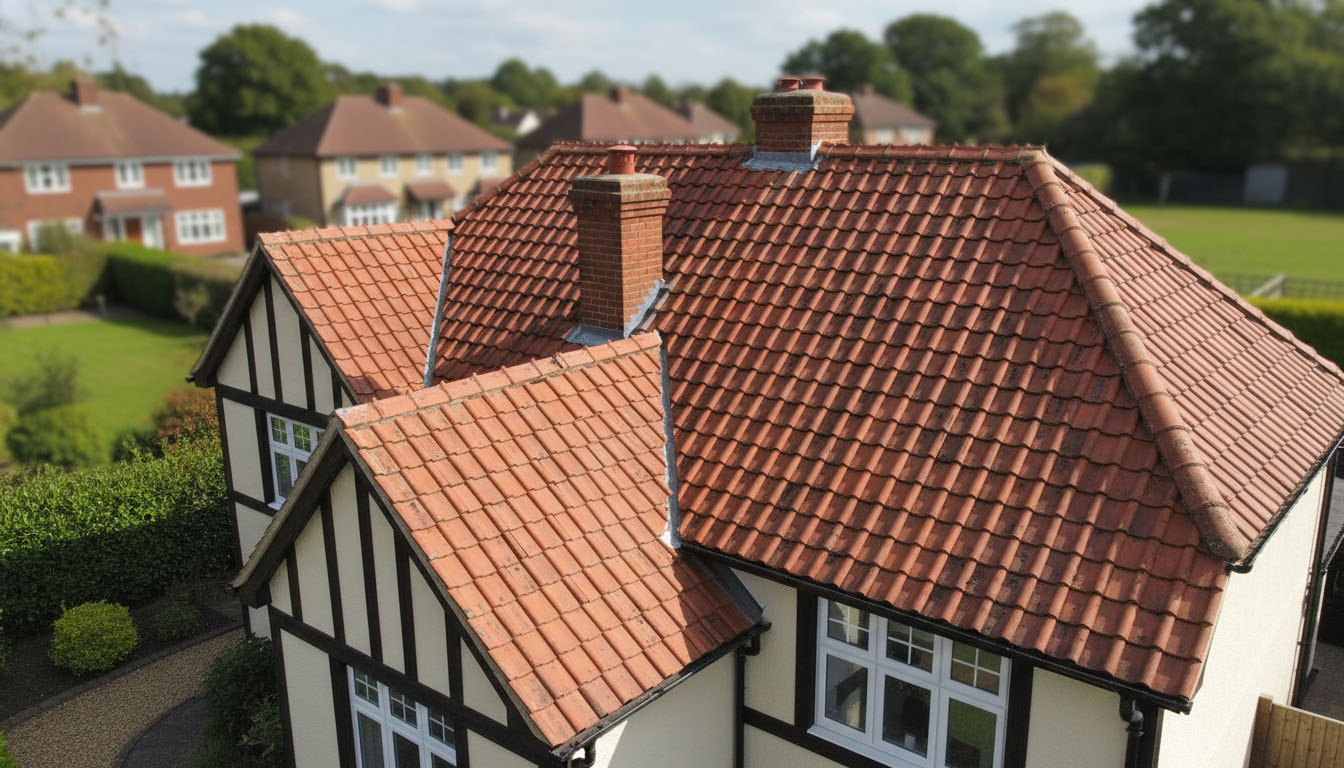
Pros and Cons of Tile Roofing in the UK: A Balanced Guide for Homeowners
Tile roofing remains one of the most widely used roofing systems across the UK, yet homeowners often struggle to decide whether it is the right long-term investment. While tile roofs offer durability and aesthetic flexibility, they also come with structural weight and maintenance considerations.
The UK’s damp climate and wind exposure place constant pressure on roofing materials. Understanding the pros and cons of tile roofing in the UK helps homeowners balance cost, lifespan, and structural suitability. This guide provides a clear, expert-led evaluation to support confident decision-making.
Pros and Cons of Tile Roofing UK: Performance Overview
When assessing the pros and cons of tile roofing UK properties commonly use, it is essential to examine material type, installation standards, and ownership timeline.
Tile roofing typically refers to clay or concrete interlocking or plain tiles installed over battens and breathable membranes.
Professional slate roofing consultation is often considered by homeowners comparing tile systems against longer-lasting natural slate alternatives.
Tile Roof Advantages and Disadvantages UK: Key Benefits
Tile roof advantages and disadvantages UK homeowners evaluate should begin with performance strengths.
Primary advantages include:
Strong resistance to rain and frost
Proven lifespan of 40 to 60 years for concrete
60+ years for quality clay tiles
Wide range of colours and profiles
Straightforward replacement of individual tiles
Clay tiles maintain colour stability better than concrete, while concrete tiles offer cost efficiency.
For homeowners seeking extended lifespan beyond typical tile performance, professional slate roofing provides a higher durability option.
Structural and Weight Considerations
Tile roofs are heavy systems and require adequate structural support. Rafter strength and batten grade must comply with UK building standards.
Structural factors include:
Rafter span verification
Load-bearing capacity assessment
Wind uplift classification
Minimum pitch suitability
Switching from lightweight roofing to clay or concrete tiles may require reinforcement.
Where structural modification is necessary, professional pitched roof installation ensures safe load distribution and regulatory compliance.
Disadvantages of Tile Roofing in the UK
A balanced evaluation requires understanding potential drawbacks.
Common disadvantages include:
Heavy weight compared to lightweight systems
Moss growth in damp shaded areas
Potential colour fading in concrete tiles
Cracking under impact stress
Higher labour cost compared to basic sheet systems
Maintenance is not excessive, but periodic inspection is required to prevent minor issues escalating.
If widespread ageing occurs, roof restoration services can extend system lifespan before full replacement becomes necessary.
Professional slate roofing may also be considered by homeowners planning a long-term upgrade.
Is Tile Roofing Good UK Climate Conditions Considered
Is tile roofing good UK weather conditions demand depends on exposure zone and installation quality.
Performance in UK climate:
Strong water-shedding capability
Good frost resistance for clay
Moderate wind resistance when properly fixed
Susceptibility to moss in shaded areas
Wind uplift performance depends more on fixing density than material alone. Proper installation significantly reduces risk.
Cost vs Longevity Comparison
Factor | Concrete Tile | Clay Tile | Natural Slate |
|---|---|---|---|
Upfront Cost | Lower | Moderate | Higher |
Lifespan | 40–60 years | 60+ years | 75–100+ years |
Maintenance | Moderate | Moderate | Low |
Long-Term Value | Good | Very Good | Excellent |
Tile roofing offers solid value for medium-term homeowners. Slate provides stronger long-term return but at higher initial cost.
Homeowners evaluating broader material options may also review slate roof vs tile roof UK comparisons before finalising decisions.
When Tile Roofing Is the Right Choice
Tile roofing is often the right solution when:
Budget constraints limit premium materials
Roof pitch suits interlocking systems
Property style matches tile aesthetics
Ownership timeline aligns with 40 to 60 year lifespan
It provides reliable performance for many residential properties across the UK.
When Tile Roofing May Not Be Ideal
Tile roofing may be less suitable when:
Long-term ownership exceeds typical tile lifespan
Premium heritage aesthetics are required
Structural reinforcement is not feasible
Maximum lifespan is a priority
In these cases, natural slate may offer better lifecycle performance.
Frequently Asked Questions
What are the main pros of tile roofing in the UK
Durability, cost efficiency, and wide aesthetic choice are key advantages.
What are the main cons of tile roofing
Weight, potential moss growth, and moderate lifespan compared to slate are common drawbacks.
Is tile roofing good for UK weather
Yes, when properly installed, tile roofing performs well in UK climate conditions.
How long does tile roofing last
Concrete tiles typically last 40 to 60 years, while clay tiles can exceed 60 years.
Is slate better than tile roofing
Slate generally offers longer lifespan and premium value but at higher upfront cost.