
BLOG
home Lead Work on Roofs Explained: Why It’s Essential for UK Homes
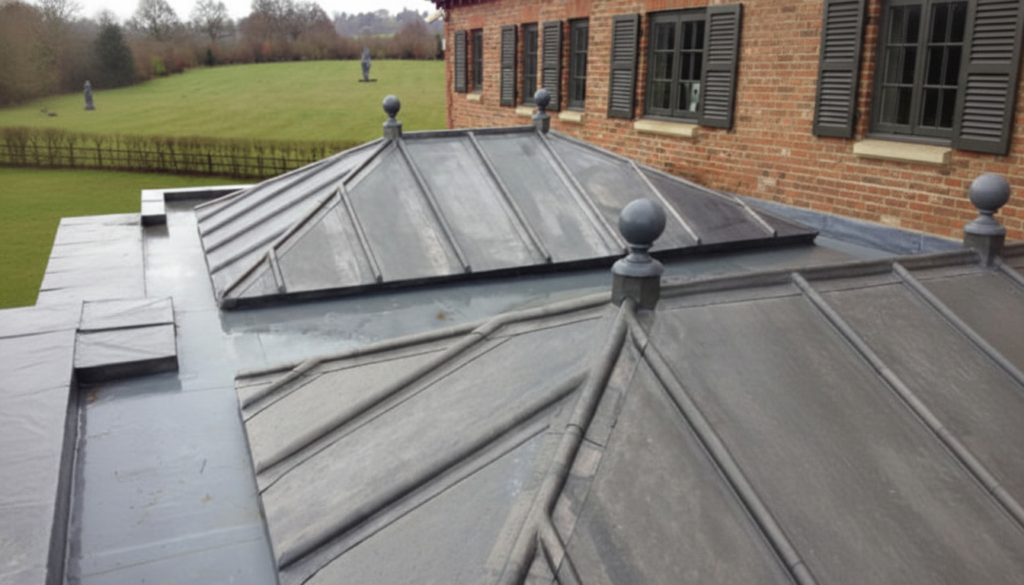
Lead Work on Roofs Explained: Why It’s Essential for UK Homes
Lead work is one of the most overlooked yet critical elements of roofing in the UK. Many homeowners only discover its importance once leaks appear around chimneys, valleys, or roof junctions. By that point, water has often been entering the roof system for months or even years, causing hidden structural damage.
Understanding how lead work functions, why it fails, and when it needs attention is essential for protecting UK homes from long-term water ingress. Properly installed and maintained lead work is not optional. It is a fundamental part of a roof’s waterproofing system.
Lead work roofing UK: What it actually does
Lead work roofing UK systems exist to manage water at the weakest points of a roof. Tiles and slates shed water effectively across open roof slopes, but they cannot seal complex junctions where different roof elements meet. Lead provides a flexible, durable barrier in these high-risk areas.
Lead is most commonly used around chimneys, roof valleys, abutments, dormers, and parapet walls. Its ability to expand and contract with temperature changes makes it ideal for the UK climate. When installed correctly, lead work forms a long-lasting waterproof seal that protects both the roof covering and the structure beneath.
Professional lead work roofing solutions ensure these vulnerable areas remain sealed even under heavy rain and wind-driven weather.
Roof flashing replacement: Why failure is so common
Roof flashing replacement is one of the most frequent lead-related repairs in the UK. Flashings fail not because lead is weak, but because of poor installation, incorrect detailing, or age-related fatigue. Many older roofs still rely on lead work installed decades ago.
Common causes of flashing failure include cracked lead from thermal movement, loose fixings, failed mortar joints, and improper overlaps. Once flashing fails, water is able to track behind tiles and into the roof structure. These leaks are often slow and hidden, making them especially damaging.
Early flashing issues often present as internal damp patches or staining, similar to those outlined in 10 signs your roof needs immediate repair, and should be addressed immediately.
Lead work roofing UK: Chimneys and junctions
Chimneys are the most common failure point for lead work roofing UK systems. They interrupt the roof covering on all sides, creating multiple water entry paths if lead detailing is compromised. Step flashings, back gutters, and soakers must all work together to keep chimneys watertight.
Incorrectly cut or short lead flashings are a frequent issue on older properties. Mortar-based repairs are often used as a temporary fix, but they fail quickly under weather exposure. Proper lead detailing, dressed and fixed correctly, is the only long-term solution.
Where chimney-related leaks persist, professional lead work roofing solutions restore full waterproofing rather than masking the problem.
Lead roof repair: When repair is enough and when it isn’t
Lead roof repair can be effective when damage is localised and the surrounding lead remains in good condition. Small cracks, slipped sections, or failed fixings can often be repaired without full replacement. However, repairs are only viable if the lead has not reached the end of its service life.
Signs that repair may no longer be sufficient include widespread cracking, thinning lead, repeated failures in the same area, and poor original installation. In these cases, patch repairs often fail within a short period, leading to recurring leaks.
A professional assessment determines whether lead roof repair will provide a durable solution or whether replacement is the safer option.
Roof flashing replacement: Lead versus alternatives
Roof flashing replacement should always consider material suitability. While alternatives such as aluminium or plastic-based flashings exist, lead remains the preferred material for most UK applications due to its longevity and flexibility.
Lead flashings outperform alternatives in areas exposed to heavy weather movement, such as chimneys and valleys. Inferior materials often crack, shrink, or detach over time, particularly in older buildings where movement is more pronounced.
For traditional properties and long-term performance, lead remains the benchmark for flashing replacement.
Lead work roofing UK: Weather resistance and lifespan
One of the biggest advantages of lead work roofing UK systems is their lifespan. Properly installed lead work can last 60 years or more, significantly outlasting many other roofing components. Its resistance to corrosion, UV exposure, and freeze-thaw cycles makes it ideal for UK conditions.
However, lead’s longevity depends heavily on correct detailing. Incorrect thickness, inadequate expansion allowances, or poor fixing methods dramatically reduce lifespan. Weather accelerates failure when these fundamentals are ignored.
Regular checks as part of broader roof inspections help identify early lead deterioration before leaks develop.
Lead roof repair: How problems are usually discovered
Lead roof repair is rarely prompted by visible lead damage. More often, homeowners notice internal symptoms such as damp patches, peeling paint, or mould growth. These issues usually appear long after water has begun entering the roof.
Storms often expose existing weaknesses in lead work, particularly around chimneys and roof edges. Wind-driven rain forces water into small gaps that remain unnoticed during normal weather.
Guidance on identifying storm-related issues is covered in how to spot roof damage after a storm in the UK and applies directly to lead-related failures.
Roof flashing replacement: Integration with other roofing work
Roof flashing replacement is often most effective when carried out alongside other roofing work. Replacing tiles or repairing underlay without addressing failing lead work leaves the roof vulnerable to ongoing leaks.
Many homeowners combine flashing replacement with broader projects such as tile roofing installation or roof restoration services to ensure all components work together as a complete system.
This integrated approach reduces future disruption and avoids repeated scaffold costs.
Lead work roofing UK: Final expert perspective
Lead work roofing UK is not a decorative detail. It is a critical waterproofing system that protects the most vulnerable parts of your roof. When it fails, the damage is often hidden, progressive, and expensive.
Understanding the role of lead work, recognising early warning signs, and acting promptly are key to protecting UK homes. Properly installed and maintained lead work delivers decades of protection and peace of mind.
Frequently Asked Questions
Why is lead used on roofs in the UK?
Because it is durable, flexible, and highly resistant to UK weather conditions.
How long does roof lead work last?
Correctly installed lead work can last 60 years or more.
Can cracked lead flashing be repaired?
Yes, if damage is localised and the lead is otherwise in good condition.
Is lead flashing better than modern alternatives?
In most UK applications, yes, especially for chimneys and junctions.
When should lead work be replaced rather than repaired?
When cracks are widespread or failures keep recurring.