
BLOG
home What Causes Slate Roof Damage in the UK? Common Factors Explained
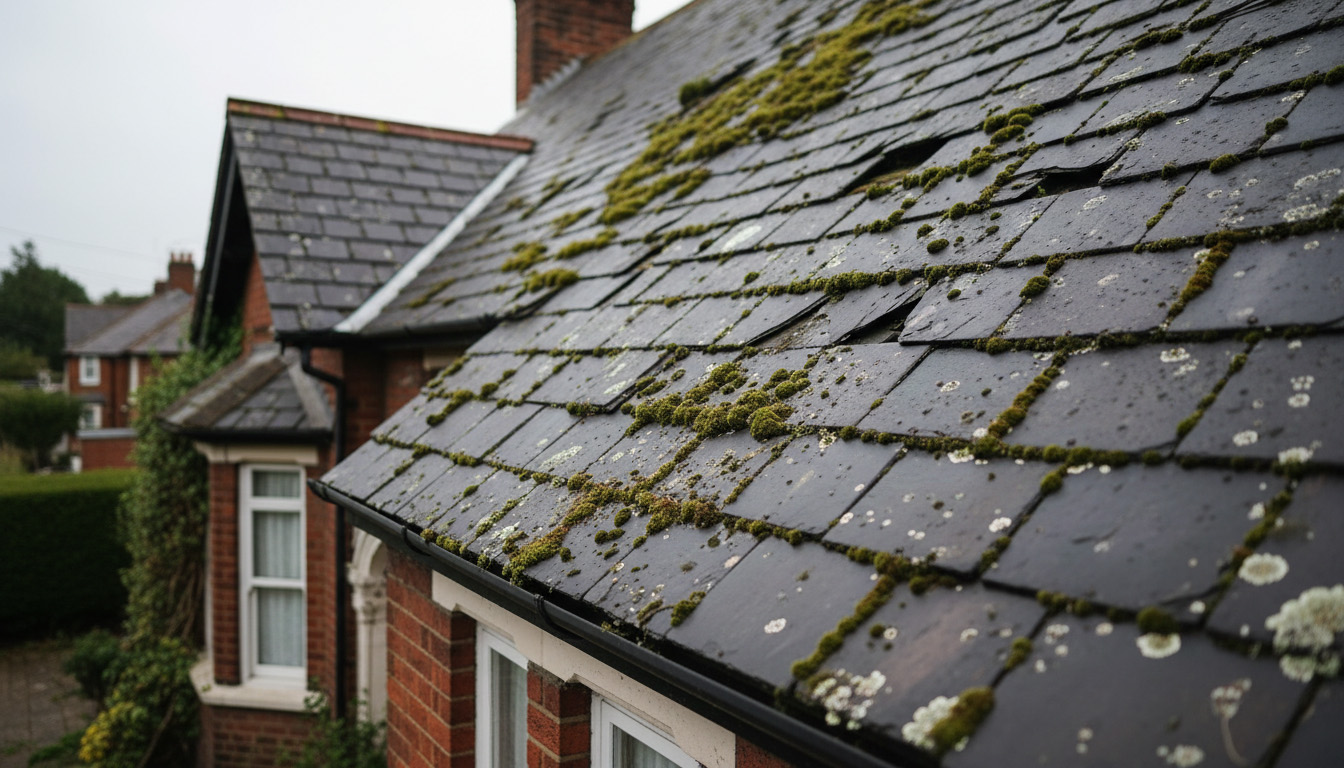
What Causes Slate Roof Damage in the UK? Common Factors Explained
Slate roofing is known for strength and longevity, yet many UK homeowners are surprised when problems begin appearing decades earlier than expected. Damage rarely happens overnight. Instead, it develops gradually due to environmental exposure, fixing fatigue, or structural movement beneath the slate layer.
The UK’s persistent rainfall, frost cycles, and high winds accelerate specific forms of deterioration. Understanding the causes of slate roof damage in the UK allows homeowners to intervene early and avoid costly structural repairs. This guide explains the most common reasons slate roofs fail and how to prevent them.
Causes of Slate Roof Damage UK Homeowners Overlook
The causes of slate roof damage UK properties experience often relate more to fixings and structure than to the slate itself. Natural slate is highly durable, but supporting components deteriorate over time.
Primary causes include:
Nail corrosion and fatigue
Incorrect installation or under-fixing
Wind uplift in exposed areas
Poor ventilation causing timber decay
Inferior or low-density imported slate
In many cases, the slate remains structurally sound while fixings weaken. Professional slate roofing inspections identify underlying failures before widespread slippage occurs.
Slate Roof Deterioration UK Climate Effects
Slate roof deterioration UK weather conditions accelerate is largely influenced by moisture and frost exposure. Freeze-thaw cycles can widen existing cracks in lower-grade slate.
Common climate-related deterioration factors include:
Water absorption leading to frost expansion
Moss growth trapping moisture
Salt exposure in coastal areas
Repeated wind pressure loosening fixings
High-density natural slate resists moisture better than lower-grade alternatives. However, even premium slate can deteriorate prematurely if ventilation is inadequate.
Where structural upgrades or reinforcement are necessary, professional pitched roof installation ensures compliance with exposure classifications and load requirements.
Why Slate Roofs Fail UK: Fixing and Structural Issues
When analysing why slate roofs fail UK properties often reveal systemic fixing failure rather than tile breakage. Nail fatigue is one of the most common long-term risks.
Fixing-related failure causes include:
Use of galvanised nails prone to corrosion
Inadequate fixing density in high-wind zones
Incorrect batten spacing
Age-related nail rust after several decades
Once nail corrosion becomes widespread, slates begin slipping across multiple roof sections. Repairing isolated tiles in such cases may only provide temporary relief.
Professional slate roofing services assess whether sectional repair or full re-slating is more cost-effective.
Installation Errors That Accelerate Damage
Improper installation significantly increases the risk of premature slate failure. Even high-quality slate can underperform if installed incorrectly.
Common installation mistakes include:
Insufficient head lap
Poorly aligned battens
Inadequate ventilation gaps
Incorrect valley and flashing integration
These errors often remain hidden until leaks develop internally. Early inspection prevents moisture from spreading beneath the slate layer.
Homeowners concerned about workmanship quality may also review how to check if your roof was installed correctly UK guidance for added assurance.
Structural Movement and Ageing Properties
Older UK properties may experience slight structural movement over time. Settlement, timber shrinkage, or rafter distortion can place uneven pressure on slate tiles.
Structural contributors to damage include:
Sagging rooflines
Timber rot in battens
Inadequate load distribution
Previous overlay installations
Where structural components weaken, even intact slate can shift or crack. In such cases, roof restoration services can reinforce underlying timber before re-installing slate.
Comparing Damage Causes by Severity
Not all damage factors carry equal risk. Understanding severity helps prioritise intervention.
Cause | Risk Level | Typical Outcome |
|---|---|---|
Nail corrosion | High | Widespread slippage |
Poor ventilation | Moderate to High | Timber decay |
Moss accumulation | Moderate | Moisture retention |
Storm impact | Variable | Localised cracking |
Installation errors | High | Early system failure |
Addressing high-risk factors early prevents systemic roof deterioration.
Professional slate roofing maintenance ensures that minor defects do not escalate into full replacement scenarios.
Preventative Measures to Reduce Damage Risk
While slate roofing is durable, preventative maintenance significantly reduces long-term deterioration.
Recommended preventative strategies include:
Professional inspection every one to two years
Immediate replacement of slipped slates
Post-storm roof checks
Maintaining ventilation and flashing
Early detection remains the most cost-effective protection strategy for slate roofs.
Frequently Asked Questions
What is the most common cause of slate roof damage in the UK
Nail corrosion and fixing fatigue are among the most frequent causes of slate roof damage.
Does UK weather damage slate roofs
Yes, moisture, frost cycles, and wind uplift contribute to long-term deterioration.
Can poor installation cause slate roof failure
Yes, incorrect fixing, insufficient overlap, and poor ventilation can accelerate failure.
Do slate roofs fail suddenly
Most slate roofs deteriorate gradually, with early warning signs appearing before major damage.
Can slate roof damage be prevented
Routine inspections and timely repairs significantly reduce the risk of widespread damage.