
BLOG
home Sagging Roofs in the UK: Causes, Risks, and When to Act
Sagging Roofs in the UK: Causes, Risks, and When to Act
A sagging roof is one of the most serious warning signs a UK homeowner can face. Unlike cosmetic roof issues, sagging indicates underlying structural stress that can worsen rapidly if ignored. Many homeowners assume slight dips or uneven rooflines are normal in older properties, but this is often the first visible sign of deeper structural failure.
Understanding why roofs sag, what risks are involved, and when action is required can prevent catastrophic damage. Early intervention not only protects the roof but also safeguards the entire structure of the home.
Sagging roof UK: What sagging really means
A sagging roof UK homeowners notice is rarely caused by surface materials alone. Sagging occurs when the roof structure can no longer carry the loads placed upon it. This includes the weight of tiles, snow, water, and the roof’s own framing.
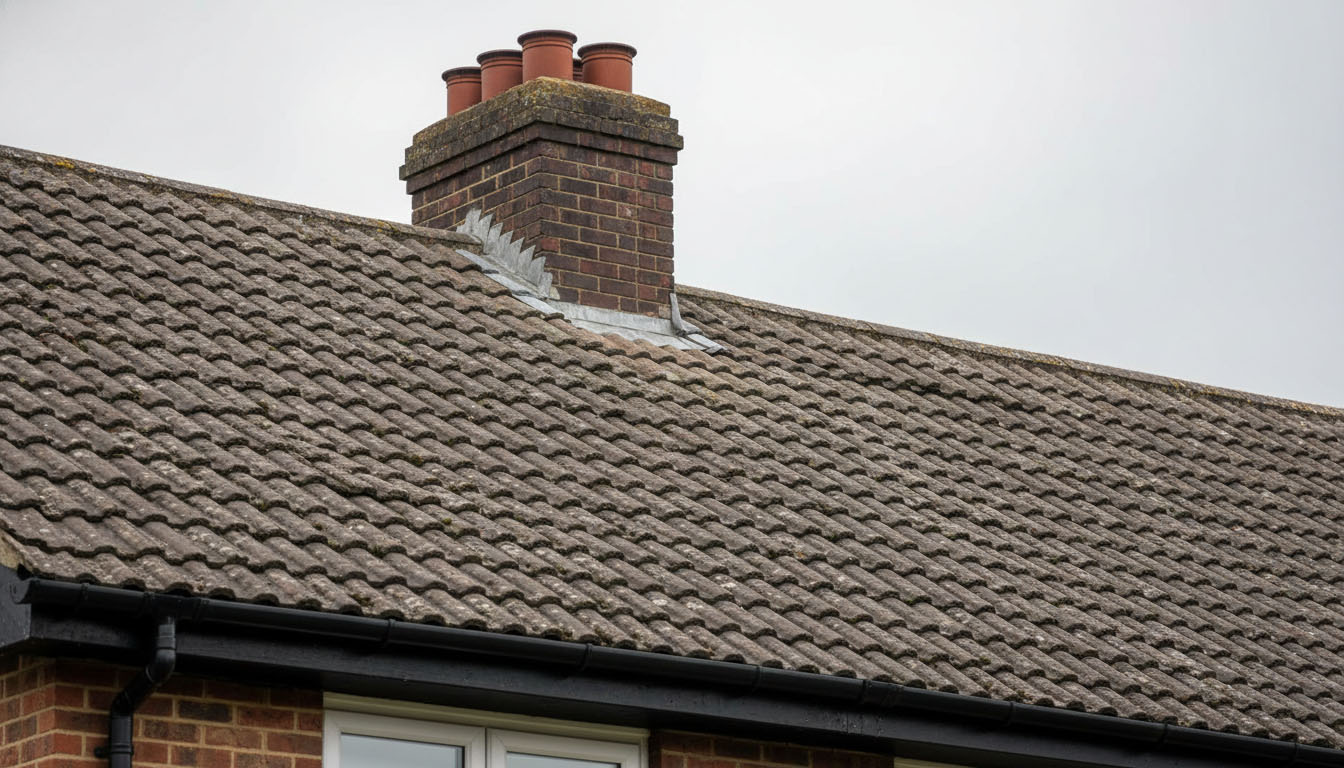
Common signs include a dipped ridge line, bowed roof slopes, uneven tile lines, or visible deflection when viewed from the street. Internally, ceilings may crack, doors may stick, and loft timbers may appear distorted.
Sagging is a structural symptom, not a cosmetic defect. It always requires investigation.
Structural roof problems: The most common causes
Structural roof problems develop over time and are usually the result of multiple contributing factors. Age is a major cause, particularly in older UK homes built with traditional timber framing that has endured decades of loading.
Moisture damage from long-term leaks weakens rafters and joists, reducing their load-bearing capacity. Poor original design, undersized timbers, or later alterations such as loft conversions can also disrupt load distribution. In some cases, excessive roof weight from tile changes overwhelms the original structure.
These issues are often linked to problems discussed in common roofing problems and how to fix them, where structural symptoms are frequently misdiagnosed.
Sagging roof UK: Water damage and timber decay
One of the most frequent causes of a sagging roof UK homes experience is prolonged water ingress. Leaks allow moisture to penetrate roof timbers, leading to rot, fungal decay, and loss of structural strength.
Rotten timbers can no longer support the roof load, causing gradual deflection that worsens over time. This process is often hidden within the roof space until sagging becomes visible externally.
Early leaks that go unaddressed often escalate into structural failure, which is why persistent moisture issues should never be ignored.
Structural roof problems: Risks of ignoring sagging
Structural roof problems pose serious risks beyond the roof itself. As the roof structure weakens, loads are transferred unevenly to walls and supporting elements. This can lead to cracking masonry, bowed walls, and compromised structural stability.
In extreme cases, continued sagging increases the risk of partial or full roof collapse, particularly during storms or heavy snowfall. Internal damage such as cracked ceilings and damaged plasterwork often accompanies advanced sagging.
Ignoring early signs significantly increases repair complexity and cost.
Roof support repairs: How sagging roofs are fixed
Roof support repairs focus on restoring the roof’s ability to carry load safely. The correct approach depends on the cause and severity of the sagging. Minor deflection may be corrected by reinforcing existing timbers or adding additional support members.
More advanced cases may require replacing rotten rafters, installing new purlins, or strengthening load paths down to supporting walls. Temporary propping is sometimes used during repairs to stabilise the structure.
In cases where widespread deterioration is present, homeowners may need to consider broader roof restoration services rather than isolated fixes.
Sagging roof UK: Loft conversions and structural changes
Sagging roof UK issues are frequently linked to loft conversions or internal alterations. Removing load-bearing elements or adding weight without structural redesign disrupts the roof’s original load distribution.
Loft conversions must be designed with additional supports to handle new loads. When this is done incorrectly, sagging can develop years later as timbers gradually fail under increased stress.
Professional assessment ensures that structural modifications are supported correctly and comply with building regulations.
Structural roof problems: How storms accelerate failure
Structural roof problems often worsen rapidly after storms. High winds increase uplift forces, while heavy rain adds weight and exposes existing weaknesses. A roof that is already sagging is far more vulnerable during extreme weather.
Storm-related movement can turn minor deflection into visible sagging almost overnight. This is why many homeowners first notice sagging after severe weather events.
Post-storm inspection guidance in how to spot roof damage after a storm in the UK highlights why structural checks are critical after extreme conditions.
Roof support repairs: Repair versus replacement decisions
Roof support repairs are not always sufficient on their own. When sagging is localised and caught early, reinforcement and timber replacement can restore stability effectively.
However, when sagging affects large areas or multiple structural components, repair costs may approach replacement costs. In these cases, homeowners may need to consider roof replacement services to fully reset the roof structure and ensure long-term safety.
Professional evaluation determines the most cost-effective and structurally sound solution.
Sagging roof UK: When to act immediately
A sagging roof UK homeowners should act on immediately shows rapid changes, visible deflection, or accompanying internal cracking. Sudden sagging after storms, audible creaking, or doors and windows becoming misaligned are urgent warning signs.
At this stage, delaying action risks further structural damage and safety concerns. Temporary measures do not resolve the underlying issue and may increase long-term costs.
Early professional intervention prevents escalation and protects the property.
Structural roof problems: Prevention and early detection
Structural roof problems are easier to prevent than to fix. Regular inspections, prompt repair of leaks, and careful planning of structural alterations significantly reduce sagging risk.
Routine roof inspections help identify early timber movement, moisture damage, and load issues before visible sagging develops.
Preventative maintenance extends roof lifespan and avoids costly structural repairs.
Sagging roof UK: Final expert guidance
A sagging roof UK homeowners notice is never something to ignore. It is a clear signal that the roof structure is under stress and requires professional assessment.
Understanding the causes, recognising the risks, and acting early protects both the roof and the wider structure of the home. Proper roof support repairs or restoration ensure safety, stability, and long-term value.
Frequently Asked Questions
Is a sagging roof dangerous?
Yes, it indicates structural weakness and can lead to collapse if ignored.
Can a sagging roof be repaired?
Often yes, if caught early and addressed professionally.
What causes roofs to sag in UK homes?
Common causes include timber decay, age, poor design, and added loads.
Does a sagging roof always need replacement?
Not always, but severe cases may require full replacement.
How quickly should I act if I notice sagging?
Immediately, as delays increase risk and repair costs.