

Roof Ventilation UK: Prevent Condensation And Roof Mould
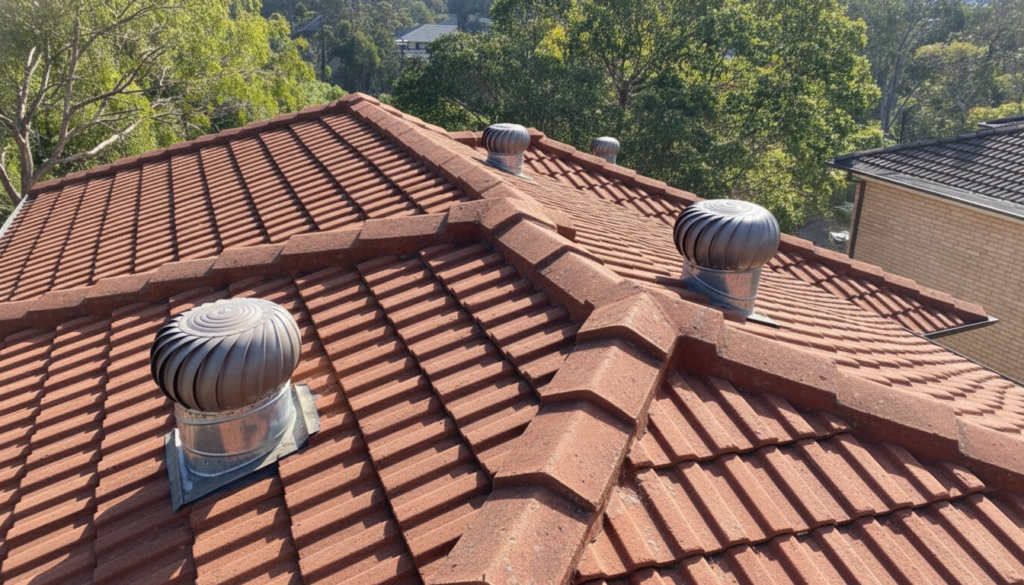
Roof ventilation uk prevent condensation and roof mould is about keeping moisture under control inside the roof space, not simply adding more vents at random. When warm, moist air reaches a cold roof void and cannot escape, condensation can form on underlay, timbers, insulation, and roof coverings. Over time, that can lead to mould, damp smells, stained ceilings, wet insulation, and hidden decay.
A & A Roofing London helps homeowners across London, Essex, and the Hertfordshire borders inspect ventilation, insulation, tiles, slates, flat roofs, pitched roofs, leaks, and roof condition together so the cause is corrected properly.
Quick Check: If loft timbers, insulation, or roof underlay are showing damp or mould, ask A & A Roofing London to trace the airflow and moisture route through a roof inspection in the UK before adding vents, insulation, or surface treatments.
Roof Ventilation UK: Prevent Condensation And Roof Mould

roof ventilation uk prevent condensation and roof mould starts with a simple principle: moisture has to be controlled before it settles inside the roof. NFRC says roof-space ventilation is essential in pitched roofs to prevent condensation, damp, mould, and long-term structural damage, especially where homes have become more airtight after insulation upgrades and draught-proofing. It also states that condensation should be addressed through recognised external ventilation methods such as eaves, ridge, or purpose-made tile and slate ventilators.
Ventilation issue | What it can cause | Why it matters | A & A Roofing London check |
Blocked eaves airflow | Damp roof void and cold spots | Insulation may be stopping air movement | Eaves, insulation position, soffits |
No high-level ventilation | Moist air cannot escape properly | Condensation may form near ridge or underlay | Ridge line, vent tiles, airflow path |
Added insulation without airflow review | Colder roof void with trapped moisture | Mould and damp may appear after upgrade | Insulation, underlay, ventilation gaps |
Flat roof moisture risk | Trapped condensation within roof build-up | Deck and insulation can deteriorate | Warm roof build-up, vapour control, outlets |
Leak mistaken for condensation | Wrong repair route | Water entry remains active | Covering, flashing, gutters, internal signs |
A & A Roofing London checks whether the moisture is caused by poor ventilation, roof leaks, blocked airflow, insulation changes, flat roof build-up, flashing faults, drainage problems, or a combination of these. Condensation and roof leaks can look similar indoors, so the inspection has to follow both air movement and water movement.
Planning Portal explains that significant changes to thermal elements such as roofs normally require Building Regulations approval and require insulation to be upgraded to a reasonable standard. It also notes that where insulation is placed between rafters in a roof without a ceiling, ventilation should be maintained and ridge vent tiles may be needed to allow through ventilation.
Tile Roofing and Ventilation Paths
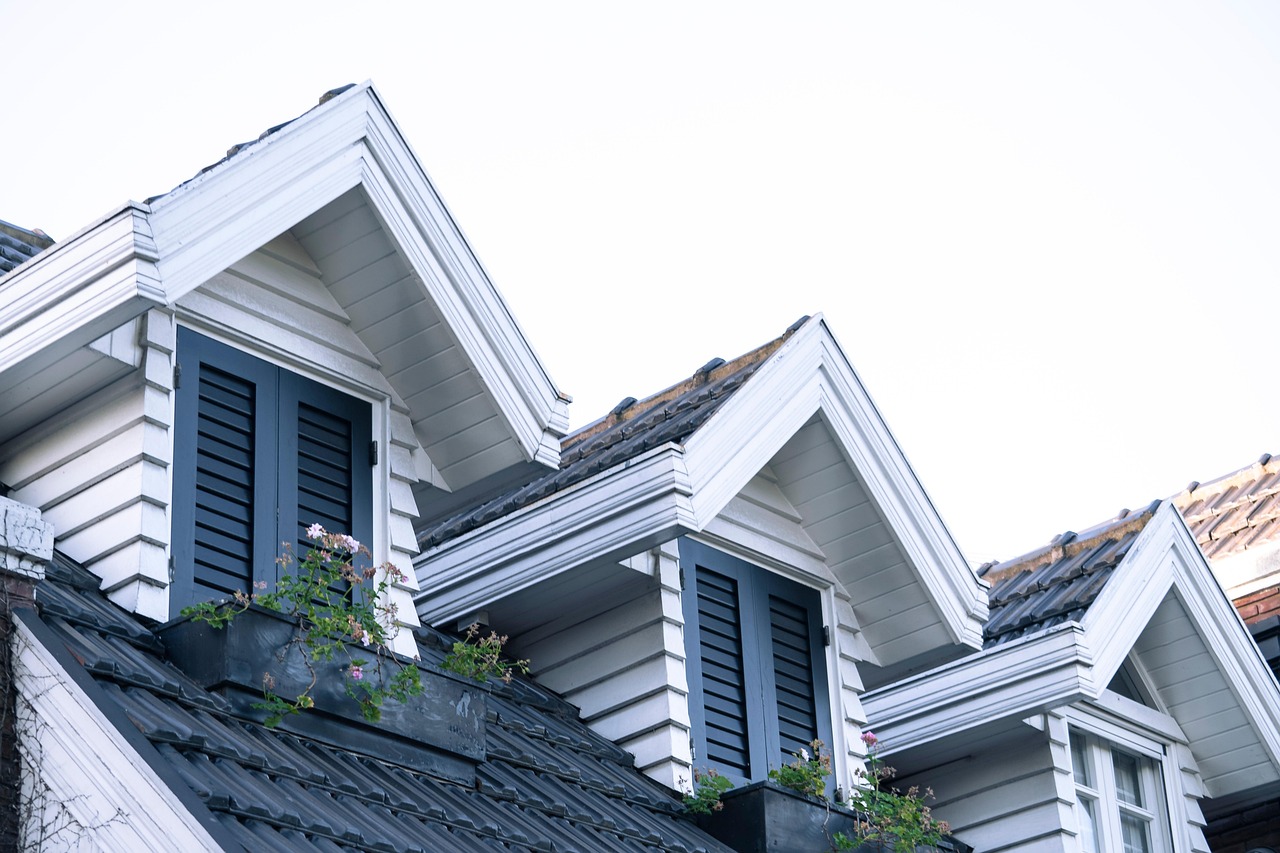
Tile roofing affects roof ventilation because tiled pitched roofs often need airflow at eaves, ridge level, or through suitable tile ventilators depending on the roof build-up. If insulation blocks the eaves or the roof has no clear air path, warm moisture from the home can condense beneath the roof covering.
A & A Roofing London checks tile roofing in London alongside loft airflow, underlay condition, ridge details, and internal damp signs. A tiled roof may look dry from outside while moisture is forming underneath because ventilation has been blocked.
For understanding how insulation position changes the roof void, roof build-up airflow differences are a useful next topic. It helps homeowners separate cold roof ventilation needs from warm roof build-up decisions.
Slate Roofing and Condensation Control
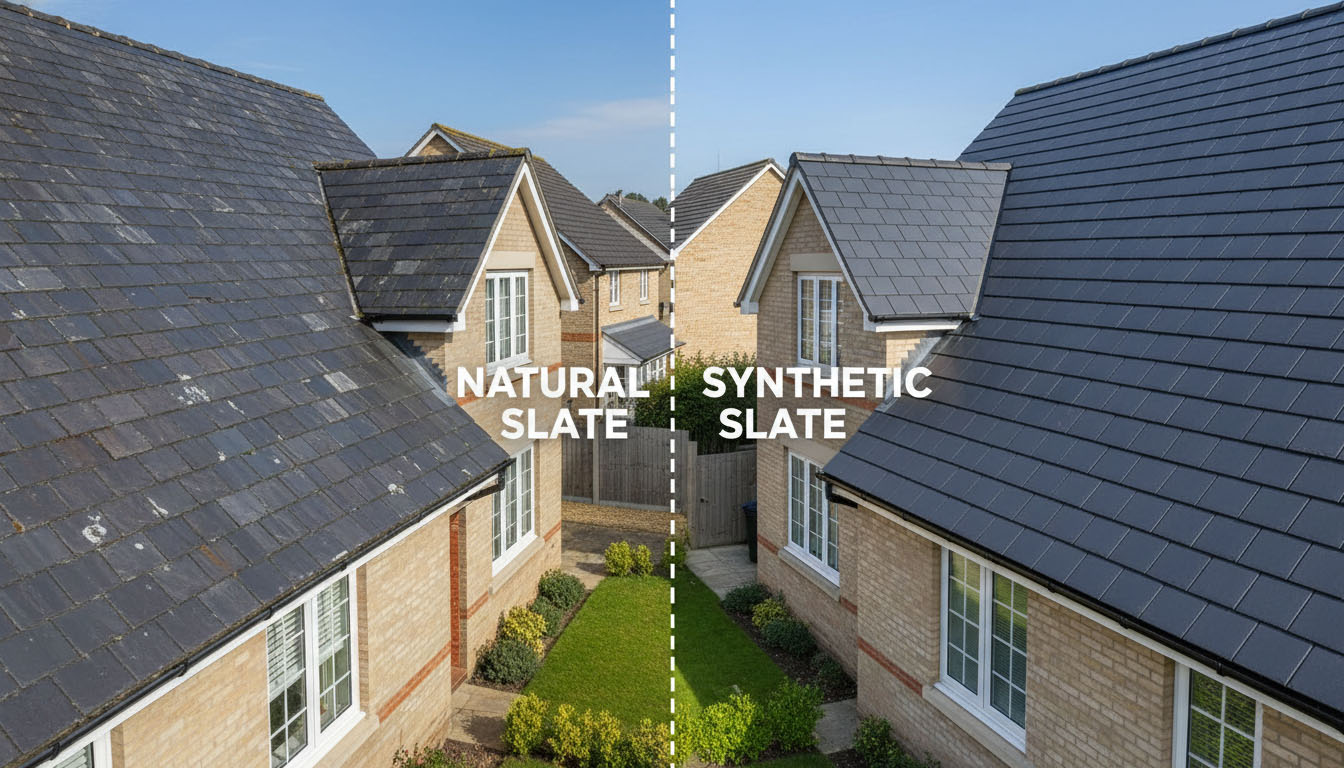
Slate roofing needs careful ventilation diagnosis because slates, laps, underlay, and fixings can hide moisture issues until damp appears in the loft. Condensation on the underside of underlay may be mistaken for a slate leak, while an actual slate or flashing leak may be mistaken for condensation.
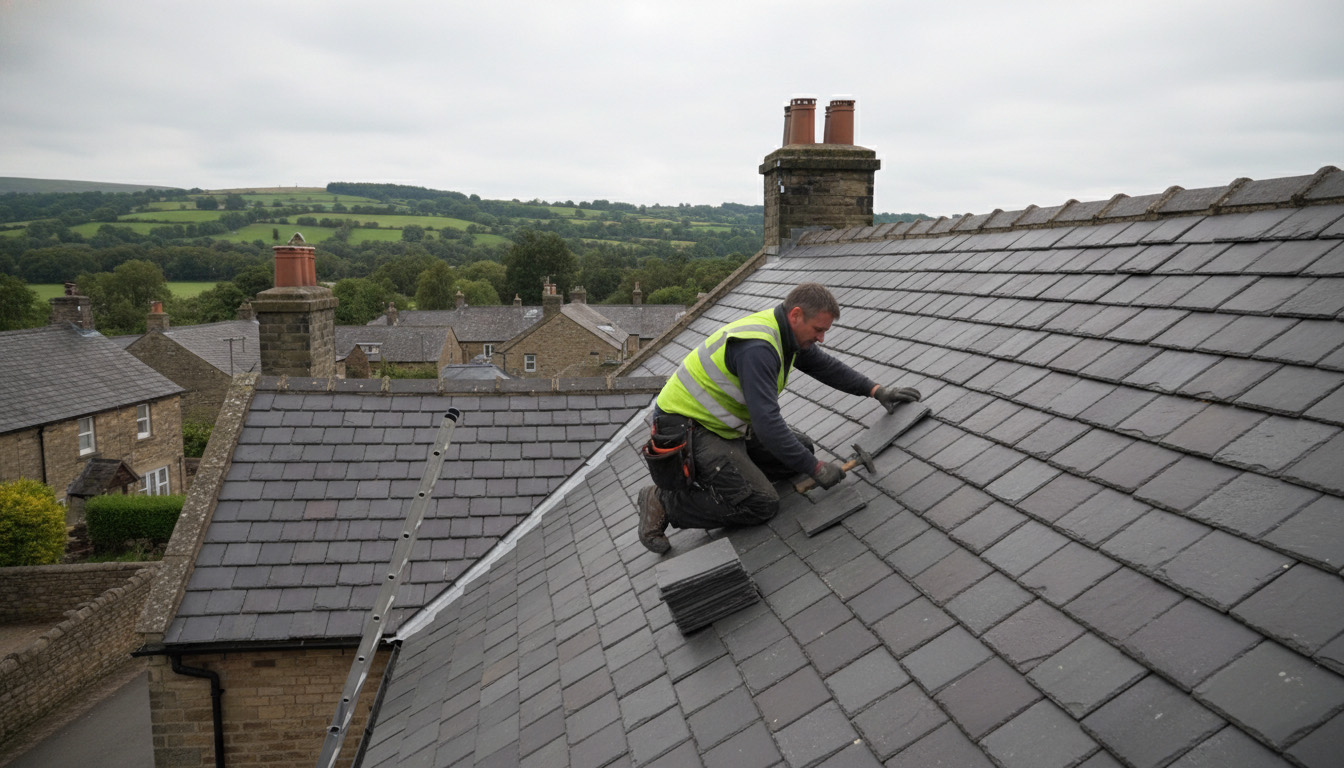
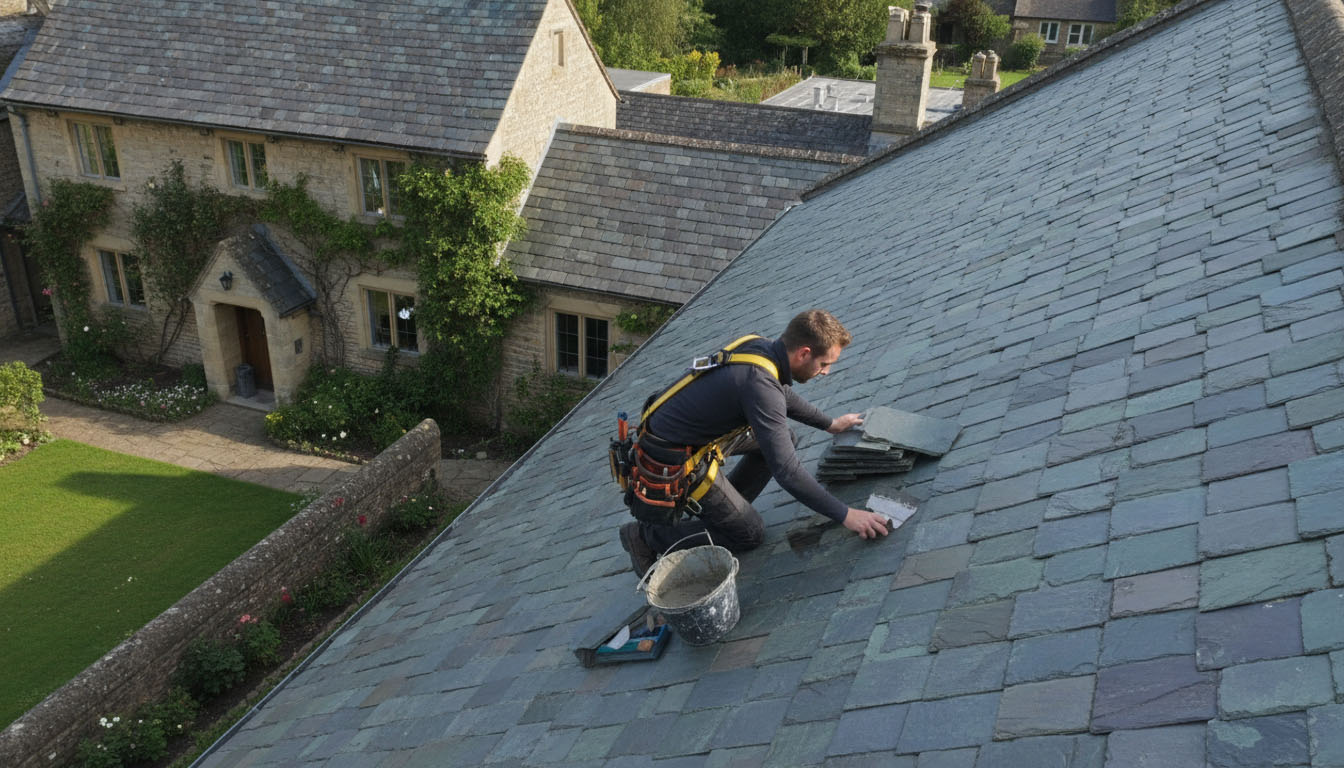
A & A Roofing London checks slate roof maintenance in the UK by reviewing slate condition, underlay, loft airflow, ridge ventilation, eaves paths, chimneys, flashings, and internal staining. Older slate roofs may also have insulation added later, changing how the roof space dries.
For slate-specific performance context, slate energy-efficiency considerations can help homeowners understand why the roof covering, insulation, and ventilation should be assessed as one system. Where roof work is more extensive, slate regulation review points may also be relevant.
Flat Roofing and Warm Roof Design
Flat roofs need a different ventilation conversation from pitched roofs. Many flat roof problems are better solved by getting the roof build-up right rather than trying to ventilate a poorly arranged void. A warm roof build-up usually places insulation above the deck, helping reduce condensation risk when vapour control, waterproofing, falls, and edges are detailed correctly.
Planning Portal explains that a warm flat roof places rigid insulation over roof joists with the roof covering above, while a cold flat roof places insulation below the structure and requires a ventilated gap. Energy Saving Trust also warns that insulating a flat roof from underneath can lead to condensation problems if the work is not completed correctly and says flat roof insulation normally needs specialist techniques.
A & A Roofing London assesses warm roof installation in London by checking the deck, vapour control layer, insulation position, membrane, drainage falls, outlets, upstands, and internal damp signs. If the roof is already ageing, flat roof service-life conditions and flat roof ageing review points help decide whether ventilation concerns are part of wider replacement planning.
Pitched Roof Maintenance and Airflow
Pitched roof maintenance should include ventilation because pitched roofs often contain loft voids where moisture can collect. Airflow normally has to move through the roof space without being blocked by insulation, debris, old underlay, poor detailing, or previous repairs.
A & A Roofing London checks pitched roof maintenance in the UK by reviewing eaves ventilation, ridge ventilation, vent tiles, underlay condition, tile or slate covering, loft moisture, insulation position, and damp staining. The aim is to confirm whether the roof can dry properly.
Planning Portal says that a ventilation gap, usually 50mm, should be provided between the top of insulation and the underside of the roof covering to allow air to flow across in relevant new roof insulation arrangements. That is why airflow should be checked before insulation is pushed into tight eaves or rafters.
Insulation Upgrades and Moisture Risk
Insulation can reduce heat loss, but it can also change moisture behaviour inside the roof. When insulation is added at ceiling level, the loft space can become colder. If warm moist air still enters from the home and ventilation is weak, condensation risk can increase.
Energy Saving Trust says loft, attic, or roof insulation helps reduce heat lost through the roof, keeping the home warmer and reducing energy use. It also states that an easy-access loft with no damp or condensation problems is normally easier to insulate, while damp issues, flat roofs, and lived-in loft spaces need professional advice.
A & A Roofing London checks insulation and ventilation together. The supporting topic insulation moisture-risk factors helps explain why insulation should not be upgraded over leaks, damp underlay, blocked eaves, or poor airflow.
Insulation situation | Ventilation concern | What should be checked |
Loft insulation added at joists | Loft becomes colder, condensation risk may rise | Eaves airflow, vapour movement, damp signs |
Insulation packed into eaves | Air path can be blocked | Soffit/eaves vents and insulation edges |
Room-in-roof insulation | Rafters need careful moisture control | Ventilation gaps, underlay, ridge ventilation |
Flat roof insulation from below | Condensation risk if build-up is wrong | Vapour control, deck moisture, specialist design |
Damp insulation found | Leak or condensation may already be active | Water path and air path before replacement |
Roof Restoration With Ventilation Review
Roof restoration should include ventilation checks where damp, mould, insulation problems, or roof void smells are present. A roof can be cleaned, repaired, or improved externally while still holding moisture internally if airflow has not been addressed.
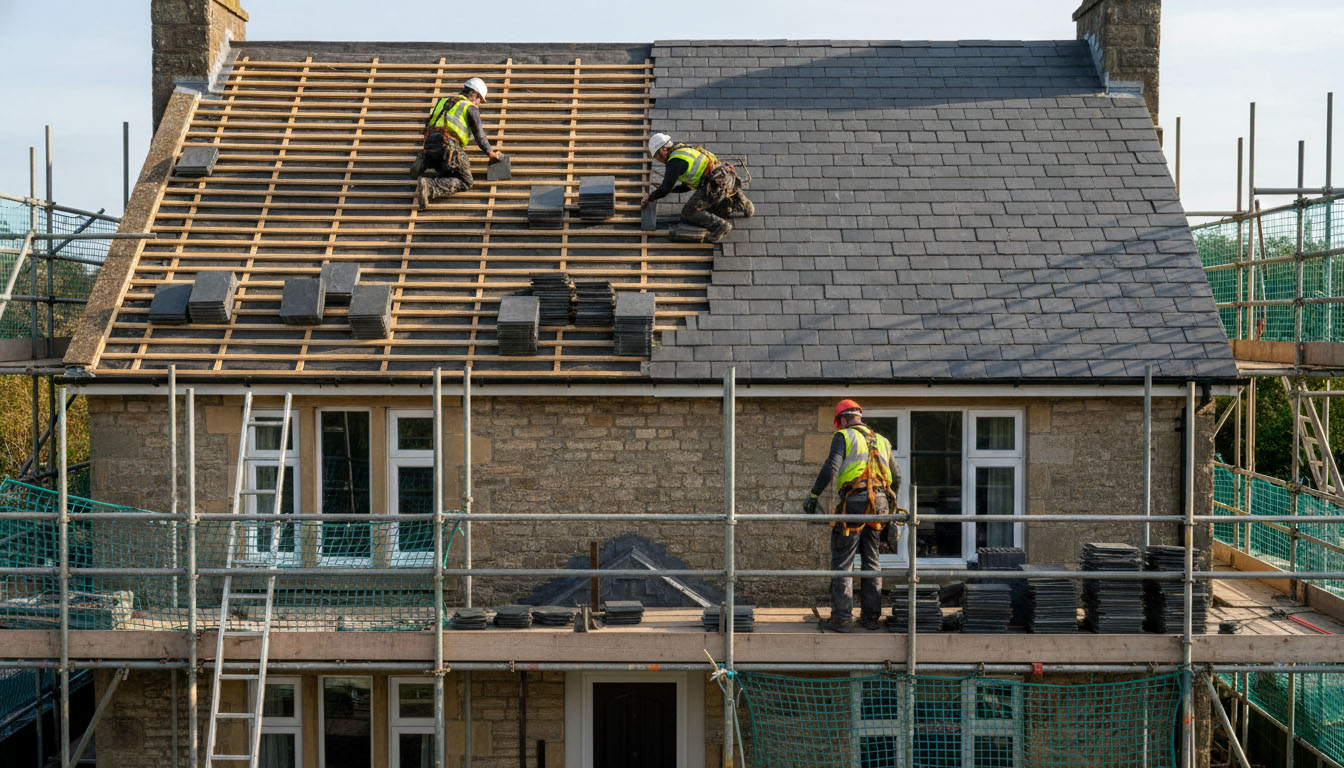
A & A Roofing London links roof maintenance in the UK with the full roof condition. Restoration may include repairing tiles, correcting slates, checking ridges, clearing drainage, improving flashings, and confirming that the roof space can dry.
For flat roof projects, flat roof restoration suitability markers are useful because moisture control and waterproofing condition should be reviewed before restoration work is chosen.
Roof Repairs Before Ventilation Work
Not every damp roof void is a ventilation problem. Roof leaks, flashing faults, gutter overflow, valley restrictions, and flat roof defects can all create moisture that looks like condensation or mould.
A & A Roofing London checks water entry before recommending ventilation changes. The inspection may include roof covering condition, flashings, gutters, valleys, flat roof outlets, chimneys, underlay, internal staining, insulation dampness, and airflow routes.
For leak separation, leak source separation steps help homeowners understand why internal damp may not be caused by ventilation alone. If damp appears near chimneys, roof edges, or abutments, junction weathering failure signs should be checked before adding vents.
Drainage, Gutters, and Roof Mould
Poor drainage can contribute to roof damp and mould by keeping roof edges, flat roof outlets, valleys, or wall junctions wetter for longer. If water is backing up at gutters or valleys, the moisture problem may be external water entry rather than internal condensation.
Planning Portal describes roof drainage as the above-ground system of gutters and rainwater pipes that carries rainwater from the roof. A ventilation inspection should therefore include drainage checks where damp appears near eaves, ceilings, external walls, or flat roof junctions.
A & A Roofing London checks gutters, downpipes, flat roof outlets, valleys, moss, debris, and roof-edge staining. For related water-flow issues, runoff restriction pathways and rainwater pipe blockage patterns are useful supporting topics.
Flat Roof Vs Pitched Roof Ventilation
Flat and pitched roofs need different moisture-control methods. A pitched roof with a cold loft often relies on ventilation through eaves, ridge, or tile/slate ventilators. A flat roof is usually better assessed by its warm or cold build-up, vapour control, deck condition, and waterproofing detail.
A & A Roofing London checks the roof type before recommending ventilation changes. Adding ventilation to the wrong part of a roof can miss the cause of mould, while blocking ventilation during insulation work can create a new problem.
For homeowners comparing roof forms, roof form moisture-control differences gives useful context. If the property has old and new roof sections, older-and-newer roof build-up contrasts can help explain why the same ventilation approach may not suit every section.
Roof Inspections and Maintenance Timing
roof ventilation uk prevent condensation and roof mould should include inspection timing. Ventilation issues often become obvious in colder months, after insulation upgrades, after periods of heavy rain, or when mould and musty smells appear in the loft.
A & A Roofing London checks ventilation during roof maintenance by reviewing airflow, insulation, underlay, roof covering, flashings, gutters, damp marks, and signs of mould. The goal is to separate normal roof ventilation needs from leaks, drainage faults, and poor previous work.
HSE says roof work is high risk and includes maintenance, repair, cleaning, and demolition. Its fragile-surface guidance says effective precautions are required for work on or near fragile surfaces, no matter how short the duration. For planning, inspection timing after damp signs, roof survey moisture checkpoints, and maintenance visit task list are relevant.
New Builds, Older Homes, and Airtightness
Newer homes and upgraded older homes can both experience ventilation issues, but for different reasons. Newer roofs may be designed with modern insulation and ventilation from the start. Older homes may have insulation, roof repairs, draught-proofing, and replacement roof coverings added over time, changing how air and moisture move.
NFRC specifically notes that roof-space ventilation becomes especially important in homes that have become more airtight because of insulation upgrades and draught-proofing. A & A Roofing London checks whether the roof’s current ventilation still suits how the property has been improved.
This is why property-age ventilation context is useful. A roof that worked before insulation upgrades may need a different inspection once the loft, eaves, roof void, or flat roof build-up has changed.
Poor Workmanship and Ventilation Faults
Poor workmanship can create condensation and mould problems even when the roof materials are suitable. Common issues include blocked eaves, missing ventilation routes, insulation pushed too far into the roof edge, poorly installed flat roof build-ups, unsealed penetrations, and repairs that hide damp rather than solve it.
A & A Roofing London checks whether previous work changed the roof’s ability to dry. That includes insulation work, re-roofing, tile or slate replacement, flat roof upgrades, loft conversion work, and repair patches around flashings or chimneys.
For workmanship-related moisture problems, roofing detail review criteria help homeowners understand what should be checked before another layer of work is added.
Weather, Leaks, and Condensation Confusion
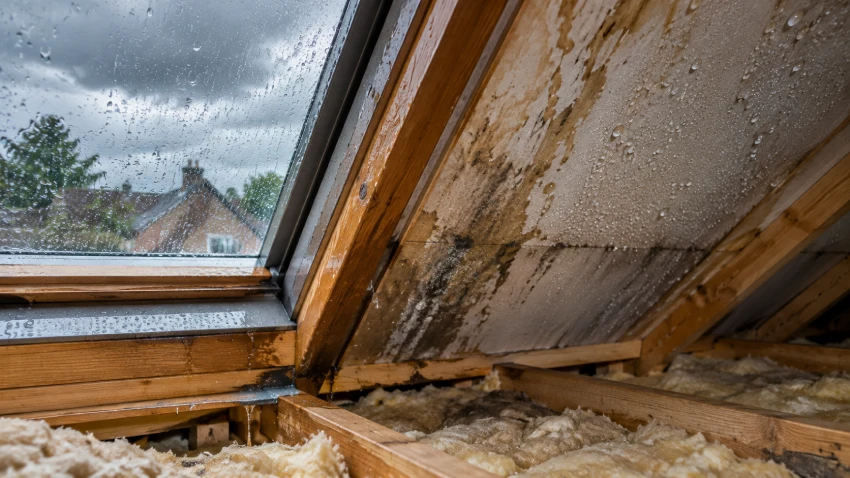
UK weather can make ventilation problems more visible. Cold weather can increase condensation risk inside roof spaces, while heavy rain can expose leaks that look like condensation. Frost, wind, and wet-dry cycles can also reveal weak roof coverings, flashings, gutters, and flat roof details.
A & A Roofing London checks weather effects alongside ventilation. The inspection should answer a practical question: is moisture coming from inside the home and condensing in the roof, or is rainwater entering from outside?
For weather context, weather-linked roof moisture patterns helps explain how rain, wind, frost, and temperature changes can expose both ventilation and leak issues.
Residential Roofing and Mould Prevention
Residential roofing often combines several roof conditions in one property: tiled pitched roofs, slate sections, flat roof extensions, dormers, chimneys, rooflights, insulation upgrades, and blocked drainage. Ventilation must be assessed across that full arrangement.
A & A Roofing London looks at where air enters, where it exits, where moisture is being produced, where insulation sits, and whether rainwater is entering. That full view prevents a common mistake: adding vents when the real problem is a leak, or repairing a leak while leaving condensation active.
Roof ventilation uk prevent condensation and roof mould Area Coverage
Local roof age, roof type, extensions, insulation upgrades, access, drainage, and weather exposure all affect ventilation and condensation risk. A & A Roofing London covers North London, Essex, and the Hertfordshire borders, helping homeowners inspect roof mould, damp lofts, blocked airflow, and related roof defects safely.
North London
In North London, roof ventilation uk prevent condensation and roof mould often applies to terraced homes, older pitched roofs, loft spaces, dormers, chimneys, flat roof extensions, and insulation added after the original roof was built. A & A Roofing London can check whether mould is caused by blocked eaves, weak ventilation, roof leaks, gutter overflow, or unsuitable flat roof build-up.
Hertfordshire Borders
Across the Hertfordshire borders, roof ventilation uk prevent condensation and roof mould may involve tiled roofs, slate roofs, loft insulation upgrades, shaded roof slopes, older underlay, and mixed-age roof sections. A & A Roofing London checks airflow, insulation, roof covering condition, drainage, and internal damp evidence before recommending maintenance, repair, restoration, or roof upgrades.
Essex
In Essex, roof ventilation uk prevent condensation and roof mould can become visible after colder weather, insulation changes, repeated damp, flat roof issues, or wind-driven rain. A & A Roofing London can inspect pitched roofs, flat roofs, tiles, slates, underlay, vents, gutters, flashings, and loft moisture so the cause is identified before work begins.
Final Roofing Decision
roof ventilation uk prevent condensation and roof mould should be handled as a roof-system diagnosis. Moisture may come from warm indoor air, blocked ventilation, insulation changes, leaking roof coverings, failed flashings, poor drainage, or a flat roof build-up that is trapping condensation.
A & A Roofing London can use a roof inspection in the UK to check airflow, insulation, eaves, ridge vents, tile or slate ventilators, flat roof build-up, underlay, gutters, flashings, roof leaks, mould signs, and internal damp evidence. The right result may be ventilation correction, insulation adjustment, roof repair, warm flat roof work, maintenance, restoration, or replacement where moisture has already damaged the roof.
FAQs About roof ventilation uk prevent condensation and roof mould
Why does roof ventilation prevent condensation?
Roof ventilation helps moisture leave the roof space before it settles on cold surfaces. NFRC says roof-space ventilation is essential in pitched roofs to prevent condensation, damp, mould, and long-term structural damage, especially in homes made more airtight by insulation upgrades and draught-proofing. A & A Roofing London checks whether air can enter and exit the roof void correctly.
What are the signs of poor roof ventilation?
Signs include damp or mould in the loft, musty smells, wet insulation, condensation on underlay, stained timbers, ceiling marks, and damp patches that are worse in cold weather. Some signs can also be caused by leaks, so A & A Roofing London checks roof coverings, flashings, gutters, valleys, flat roof surfaces, and drainage before confirming that ventilation is the main cause.
Can adding loft insulation cause condensation?
Adding insulation can contribute to condensation if it makes the roof void colder while warm moist air still reaches that space and ventilation is weak. Energy Saving Trust says loft insulation reduces heat lost through the roof, but it also notes that homes with damp issues, flat roofs, or lived-in lofts usually need professional advice. Airflow should be checked before insulation is upgraded.
Do flat roofs need ventilation?
Flat roofs need moisture control, but the method depends on the build-up. Planning Portal explains that warm flat roofs place rigid insulation over joists with the covering above, while cold flat roofs place insulation below the structure and require ventilation. Energy Saving Trust warns that flat roof insulation needs specialist techniques and that insulating from below can lead to condensation problems if done incorrectly.
Is roof mould always caused by condensation?
No. Roof mould may be caused by condensation, but it can also be linked to leaks, blocked gutters, failed flashing, poor drainage, or wet insulation. A & A Roofing London checks both air movement and water-entry routes because treating mould without fixing a leak or ventilation fault can allow the problem to return.
Should homeowners fit vents themselves?
Homeowners should not cut into roofs, walk on roof surfaces, or fit vents without proper diagnosis. HSE says roof work is high risk and includes maintenance, repair, cleaning, and demolition. It also says effective precautions are required for work on or near fragile surfaces, no matter how short the duration. A roof inspection should identify the correct ventilation route first.
What should be checked before improving roof ventilation?
The inspection should include eaves airflow, ridge ventilation, vent tiles or slate ventilators, insulation position, underlay condition, roof covering, flat roof build-up, flashings, gutters, valleys, internal damp signs, and mould location. A & A Roofing London checks these together so ventilation work does not hide a leak or create a new moisture problem.
When does ventilation work become roof repair or replacement?
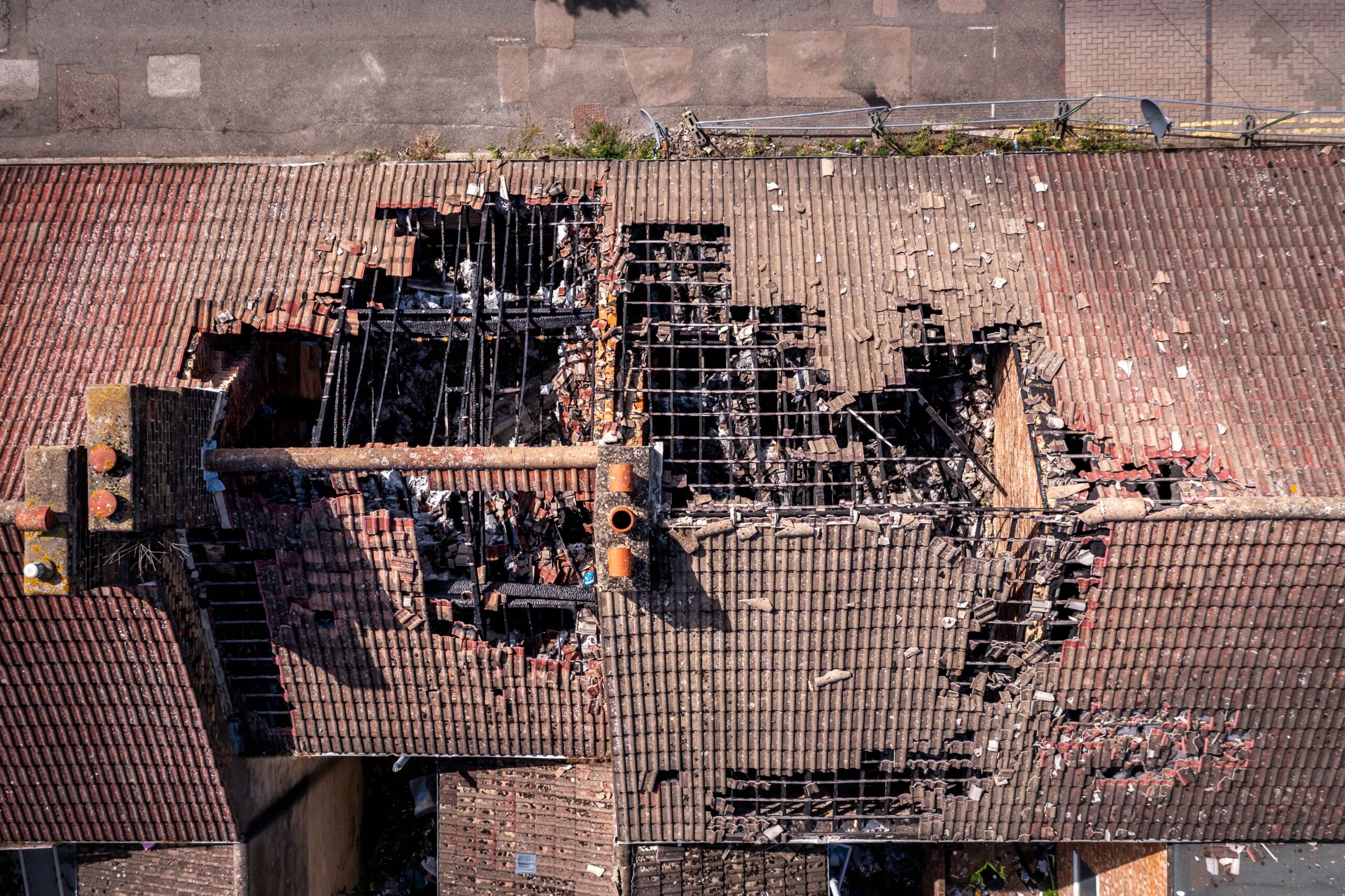
Ventilation work becomes roof repair or replacement when moisture has damaged underlay, battens, decking, insulation, tiles, slates, flashings, or the wider roof structure. Planning Portal says significant changes to thermal elements such as roofs normally require Building Regulations approval and insulation upgrades to a reasonable standard. Wider roof work should therefore be planned with ventilation, insulation, and moisture control together.




Comments (3)
[…] Gaps, compression, or missing sections significantly reduce performance. Insulation should work alongside ventilation to manage moisture, not trap […]
[…] Ventilation and moisture control […]
[…] ventilation as part of tile roof work. For moisture planning, roof insulation build-up checks and roof-space ventilation requirements help explain why the hidden roof layers […]
Comments are closed.